Understanding Water Damage Restoration in Vancouver
When water damage strikes your home or business, understanding the restoration process is crucial for effective recovery. Vancouver’s unique climate and aging infrastructure make it particularly susceptible to various types of water damage, from storm-related flooding to plumbing failures. Timely action can save you from costly repairs and minimize health risks associated with mold growth. For comprehensive insights, Water Damage Restoration Vancouver can provide you with the help you need to address emergencies swiftly.
What is Water Damage Restoration?
Water damage restoration is the process of cleaning, drying, and repairing properties affected by water intrusion. This could involve extracting standing water, drying out materials, and restoring any damages that occurred as a result of the uninvited element. The goal is to return the property to its pre-loss condition while preventing any long-term damage that could affect structural integrity or health.
Why is Timely Action Crucial?
Every minute counts in the wake of water damage. Delaying restoration efforts can lead to more extensive damage, resulting in higher repair costs and increased risk of mold growth. Mold can begin to develop within 24 to 48 hours after moisture exposure, making immediate action vital for effective recovery. Additionally, prolonged exposure to water can weaken structural elements, leading to safety hazards and costly repairs.
Common Causes of Water Damage in Vancouver Homes
Vancouver’s heavy rainfall, aging plumbing, and coastal humidity create numerous risks for homeowners. Some common causes include:
- Burst Pipes: Often due to freezing temperatures or pressure build-up, these incidents can release significant amounts of water quickly.
- Appliance Leaks: Dishwashers, washing machines, and water heaters can malfunction, leading to slow leaks that may go unnoticed until extensive damage occurs.
- Toilet Overflow & Sewage Backups: These incidents not only cause water damage but also pose serious health risks.
- Basement Flooding: Heavy rain or groundwater pressure can lead to basement flooding, especially in older homes.
- Roof Leaks: Aging roofs can allow water to intrude, particularly during heavy storms or persistent rainy weather.
The Water Damage Restoration Process Explained
Step-by-Step Overview of Restoration Techniques
The restoration process typically follows these stages:
- Assessment: Technicians assess the extent of the damage and determine the necessary steps for restoration.
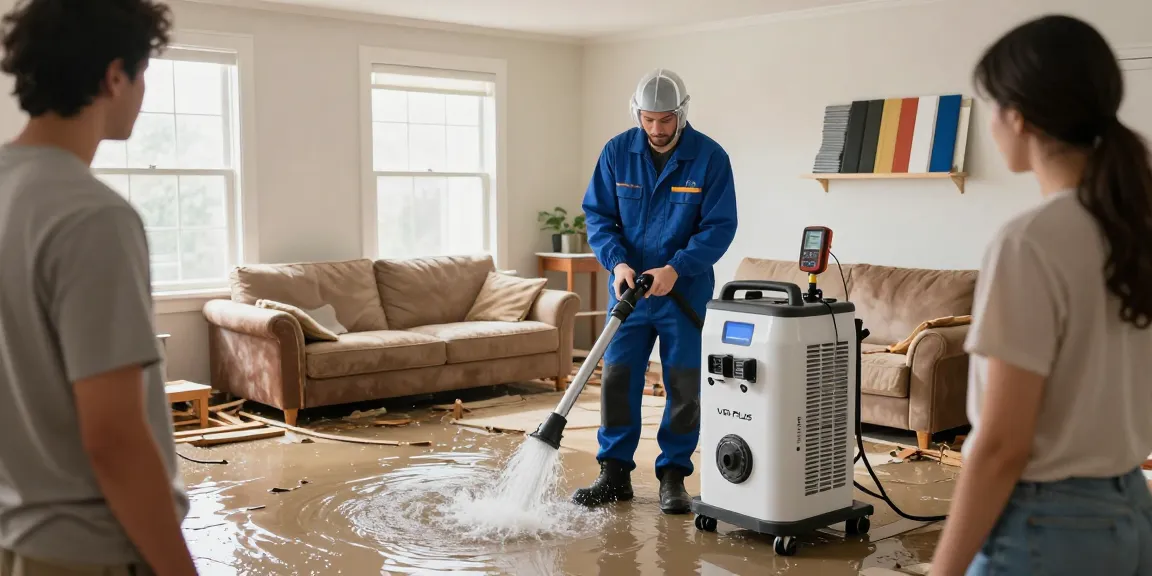
- Water Extraction: Using industrial-grade pumps and vacuums, professionals swiftly remove standing water to minimize damage.
- Drying and Dehumidification: Advanced drying equipment is deployed to ensure all affected areas are thoroughly dried, preventing mold growth.
- Cleaning and Sanitizing: Surfaces and belongings may be cleaned and sanitized to remove contaminants and odors.
- Restoration: The final step involves repairing and restoring any damage to walls, floors, and furnishings.
Critical Equipment Used in Water Damage Restoration
Water damage restoration requires specialized equipment to effectively remove moisture and prevent secondary damage. Key tools include:
- Industrial Dehumidifiers: Essential for reducing humidity levels in the air.
- Air Movers: These machines increase airflow, speeding up the drying process.
- Moisture Meters: Used to assess moisture levels in walls and materials.
- Infrared Cameras: These allow technicians to see hidden moisture that may not be visible to the naked eye.
Post-Restoration Inspection and Maintenance
After restoration is complete, a thorough inspection ensures that all affected areas are dry and free from mold. It’s also wise to schedule regular maintenance checks to identify potential issues before they escalate into major problems. This proactive approach can save homeowners significant time and money in the long run.
Identifying Early Signs of Water Damage
How to Spot Water Damage in Your Home
Early detection of water damage can significantly reduce repair costs. Signs to look for include:
- Discoloration: Stains on walls or ceilings can indicate water leaks.
- Mold Growth: A musty odor or visible mold is a clear sign of moisture issues.
- Peeling Paint or Wallpaper: This may signal underlying water problems.
- Warped Floors: Buckling or warping can result from prolonged exposure to moisture.
Common Misconceptions about Water Damage
Many homeowners underestimate the severity of water damage or believe that minor leaks are harmless. This can lead to significant structural damage and health risks if not addressed promptly. It’s crucial to recognize that even small water leaks can lead to larger problems, including mold growth and weakened structures.
Preventive Measures to Avoid Water Damage
Preventing water damage involves regular maintenance and proactive measures. Here are some effective strategies:
- Regular Inspections: Conduct periodic checks on plumbing, roofs, and appliances.
- Gutter Maintenance: Ensure gutters and downspouts are clear to prevent overflow.
- Proper Grading: Landscape around your home to direct water away from the foundation.
- Install Sump Pumps: Especially in basements or areas prone to flooding, sump pumps can provide significant defense against water intrusion.
Choosing the Right Water Damage Restoration Company
What to Look for in a Restoration Service
When selecting a water damage restoration company, consider the following factors:
- Experience: Look for a company with a proven track record in water damage restoration.
- Certifications: Verify that technicians hold relevant certifications, such as those from the IICRC.
- Response Time: Ensure they offer 24/7 emergency services to address urgent needs.
- Customer Reviews: Read testimonials and reviews to gauge past customer satisfaction.
Benefits of Hiring IICRC-Certified Professionals
Hiring IICRC-certified professionals ensures that the restoration process is performed according to industry standards. Certified technicians are trained in the latest techniques and equipped with advanced tools, leading to more effective and thorough restoration.
Understanding Insurance Claims and Coverage
Water damage repairs can be costly, which is why understanding insurance coverage is essential. Review your policy for coverage details, including deductibles and limits. Many restoration companies, like VR PLUS, assist with insurance claims to help expedite the process, ensuring you receive the aid you need without added stress.
Future Trends in Water Damage Restoration
Innovations in Restoration Technology for 2026
The water damage restoration industry is continuously evolving, with innovations enhancing efficiency and effectiveness. Expect to see advancements in moisture detection technologies and eco-friendly restoration practices that employ sustainable materials and methods.
Environmental Considerations in Restoration Practices
As environmental awareness increases, restoration companies are adopting greener practices. This includes the use of environmentally friendly cleaning agents and more energy-efficient equipment that reduces the carbon footprint during the restoration process.
Expert Predictions for the Water Damage Restoration Industry
Experts predict that the demand for water damage restoration services will rise as climate change continues to impact weather patterns. Increased rainfall and flooding are expected to lead to higher instances of water damage, making prompt and professional restoration services even more crucial in the coming years.
What should I do immediately after discovering water damage?
Upon discovering water damage, your first step should be to stop the source of water if safe to do so. Then, contact a professional restoration service to assess the damage and begin the mitigation process. Avoid using electrical appliances in the affected area until the situation is resolved.
Can all water-damaged materials be restored?
Not all water-damaged materials can be restored. Porous materials, such as drywall and insulation, may need to be removed and replaced, while non-porous surfaces can often be cleaned and salvaged. An experienced technician can provide a thorough assessment during the restoration process.
How does water damage affect property value?
Water damage can significantly affect property value. Even after restoration, potential buyers may hesitate due to the history of water damage, fearing hidden issues. It’s essential to address water damage promptly to maintain the integrity and value of your property.
What certifications should I check for in a restoration company?
Look for certifications from recognized industry bodies like the Institute of Inspection, Cleaning and Restoration Certification (IICRC). This ensures that the company adheres to the highest standards of service and has the necessary training to handle restoration effectively.
How can I prevent mold growth after water damage?
To prevent mold growth, ensure that all affected areas are dried thoroughly within 24 to 48 hours of water intrusion. Use dehumidifiers and air movers, and consider professional mold remediation services if you detect early signs of mold after restoration.